

Steiner Program
Aspiration
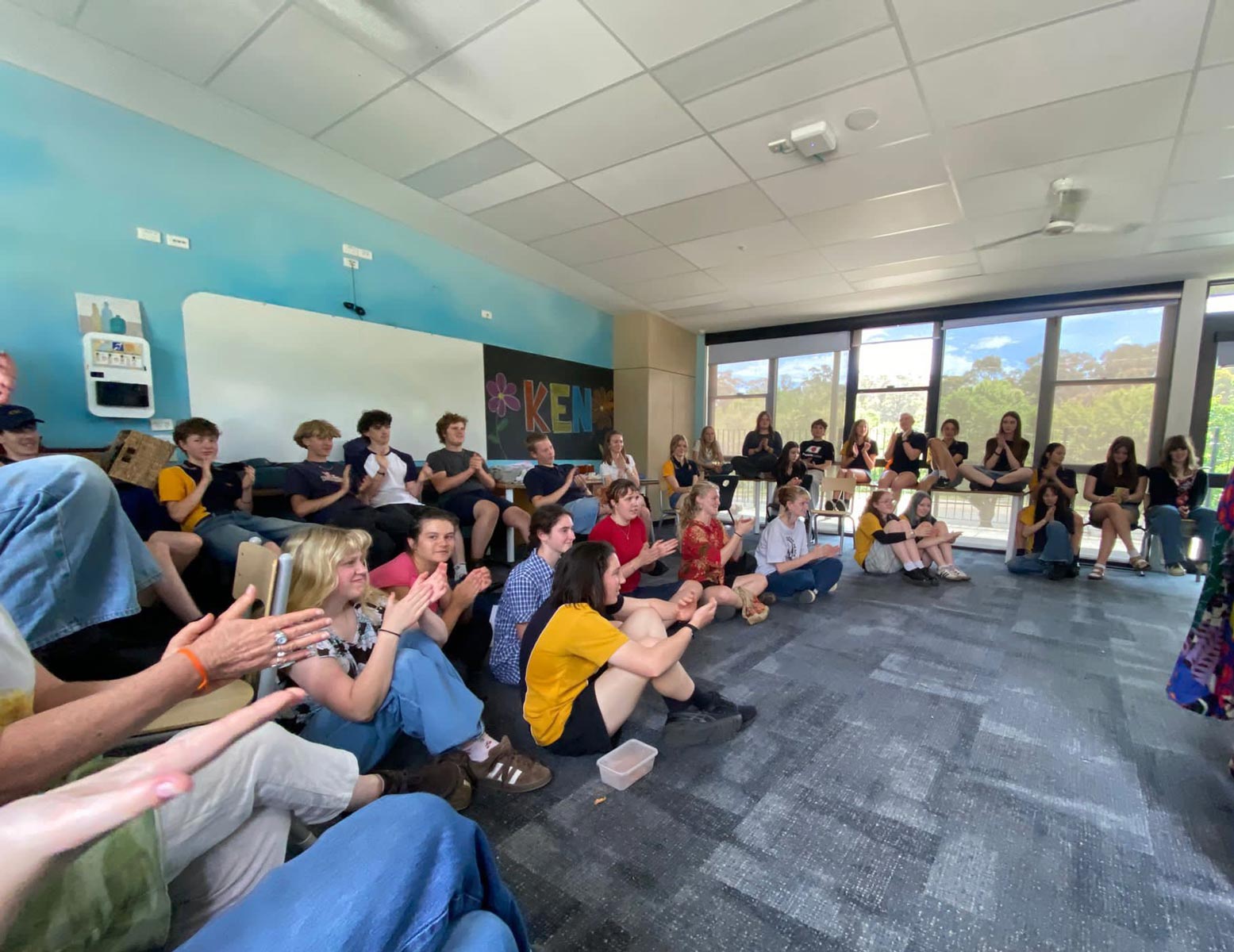
In the Steiner program, students are encouraged to explore their strengths and develop confidence as learners.
Aspiration is fostered through:
- Challenging and meaningful learning experiences
- Opportunities for student voice, inquiry, and reflection
- Encouragement to take initiative and pursue personal growth
Students are supported to develop a sense of purpose and belief in their capacity to succeed.
Respect
Respect is central to creating a safe and inclusive learning environment.
This is achieved through:
- Stable class groups that build trust and belonging
- Strong teacher-student relationships over multiple years
- Inclusive practices that recognise individual differences
Students also develop respect for the environment through outdoor education and sustainability-focused learning.
Empathy
Empathy is intentionally developed through:
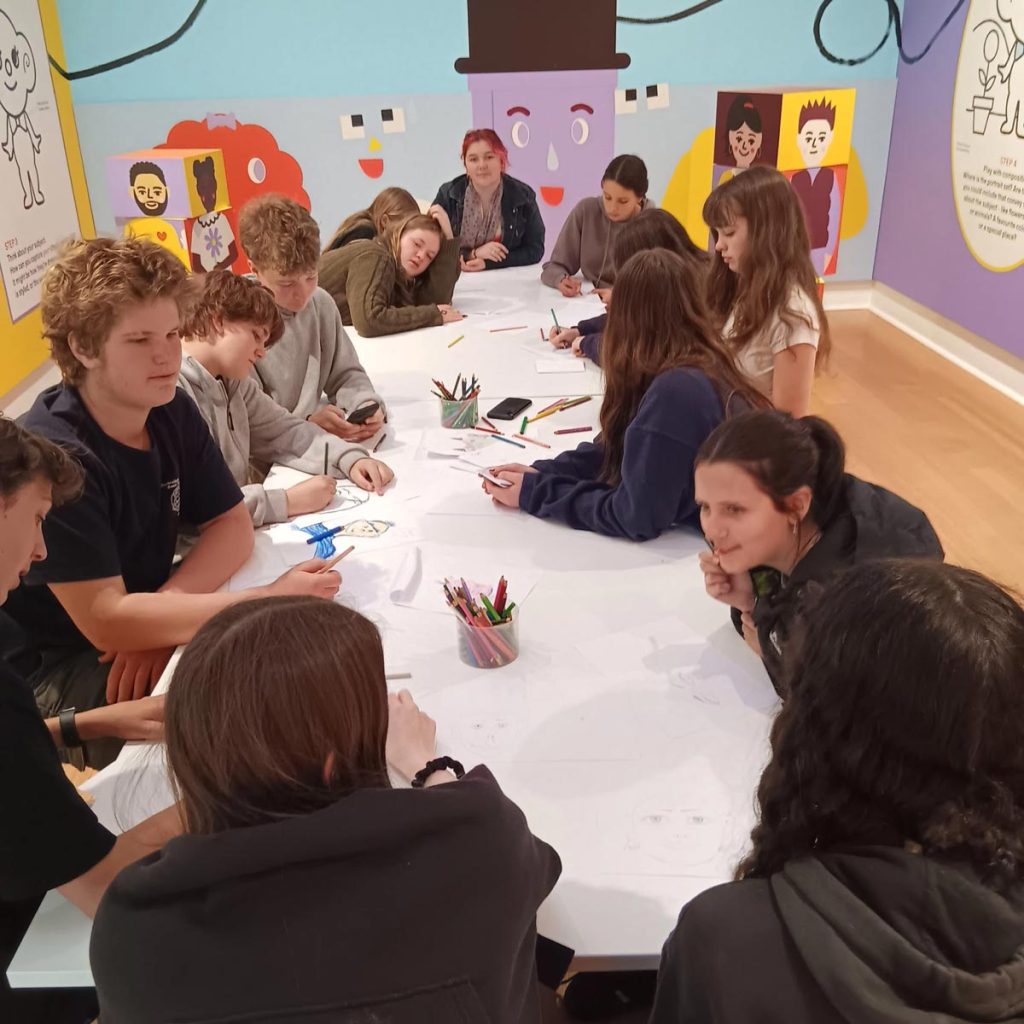
- Collaborative learning and group projects
- Literature, history, and storytelling that explore human experience
- Opportunities for community engagement and service
Students learn to understand themselves and others, building emotional intelligence and social responsibility.
Current and Proposed Steiner Program Structure
Currently, the Steiner program at Castlemaine Secondary College operates across Years 9 and 10.
As part of the college’s long-term vision for holistic and developmentally responsive education, the college is
considering a staged expansion of the program to include:
- Year 7 in 2027
- Year 8 in 2028
This proposed expansion would provide students with earlier access to the key principles of Steiner education,
supporting continuity of learning and wellbeing throughout the middle years of secondary schooling.
Key Features of the Steiner Program
Main Lesson Structure
Each day begins with an extended, in-depth learning block (typically two hours) focusing on a core subject area
such as Humanities, Science, or Mathematics, delivered through integrated themes.
Integrated Curriculum
Subjects are taught in connected ways, allowing students to see relationships between disciplines
and engage more deeply with content.
Creative and Performing Arts
Music, visual arts, drama, and movement are embedded in the curriculum, supporting expression and creativity.
Practical and Hands-on Learning
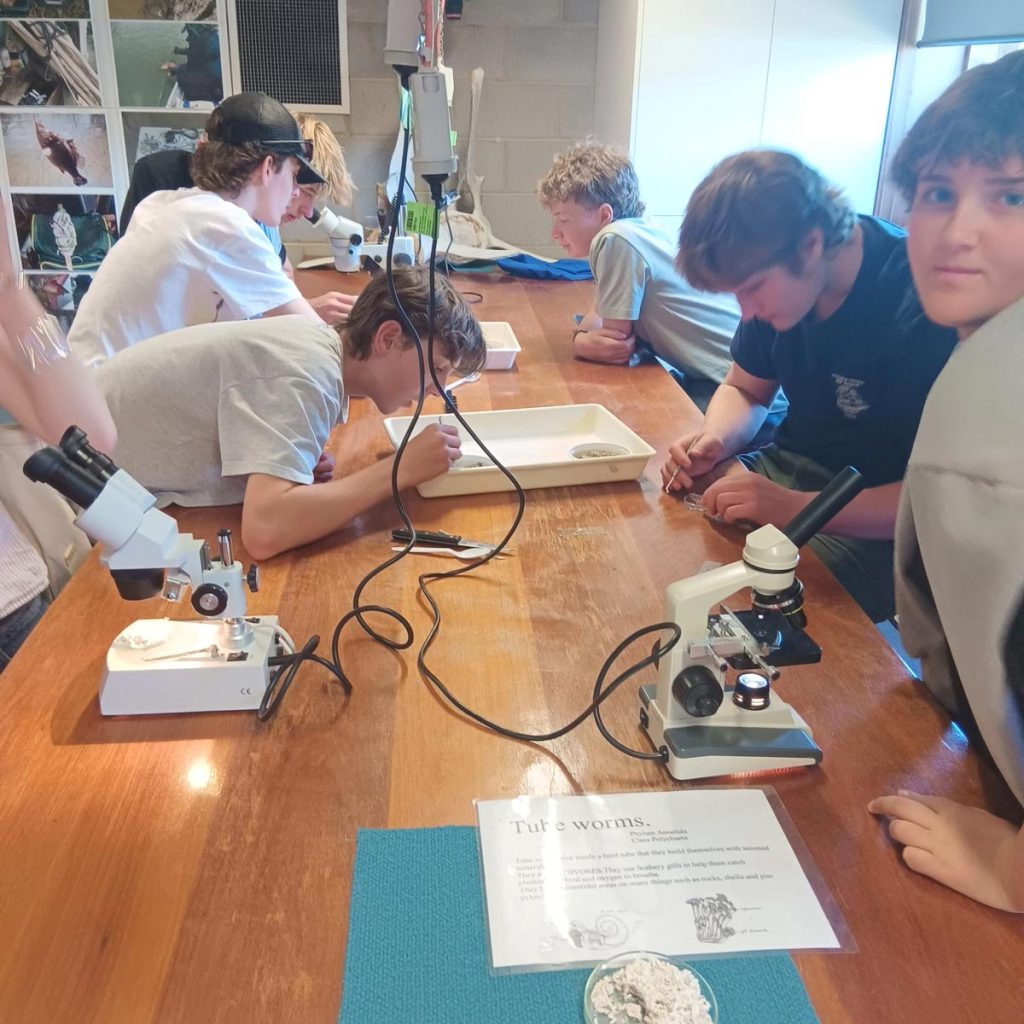
Students engage in activities such as design, craft, environmental studies, and food or garden programs.
Developmentally Responsive Approach
Curriculum and teaching methods are aligned with the emotional and cognitive needs of adolescents.
Wellbeing and Rhythm
Predictable daily and weekly structures support student wellbeing, focus, and a sense of security.
Outdoor and Experiential Education
Camps, excursions, and place-based learning strengthen resilience, independence, and connection to community.
Learning Outcomes for Students
By the end of Year 10, students in the Steiner program will:
- Demonstrate strong foundational academic skills aligned with the Victorian Curriculum
- Show confidence in independent and creative thinking
- Exhibit emotional intelligence and empathy in relationships
- Engage with learning in a meaningful and self-motivated way
- Develop a strong sense of identity, belonging, and purpose
Pathways Beyond Year 10
The Steiner program provides a strong foundation for diverse pathways into senior secondary education.
Students transition into Years 11–12 with:
- Confidence in their learning abilities
- Well-developed study habits and independence
- A clear sense of their interests and strengths
This ensures readiness for VCE, VCE VM, or other pathways within the college.
Conclusion
The proposed staged expansion of the Steiner program at Castlemaine Secondary College
represents a significant investment in the wellbeing and development of students during a pivotal stage of their education.
By embedding Aspiration, Respect, and Empathy within a holistic and engaging program,
the college aims to create a learning environment where young people are supported to
thrive academically, socially, and personally.
The proposed inclusion of Year 7 in 2027 and Year 8 in 2028 reflects the college’s commitment to
providing a connected and supportive educational pathway for students and families within the Castlemaine community.